

Dupioni Silk in Practice: From Greige Slub to Exquisite Garments - Fan Bingbing's Story
Dupioni is a mulberry silk with a visible, irregular texture. Two silkworms spin one cocoon, their filaments tangle, and the yarn comes off the reel with thick-and-thin slubs along its length. Woven plain, those slubs give a dress structure and a play of light that a flat crepe cannot match. This guide walks the fabric from raw silk to a finished garment, with the 2013 Fan Bingbing pieces as proof of how it performs on a body.
Step 1: raw silk, reeled and wound
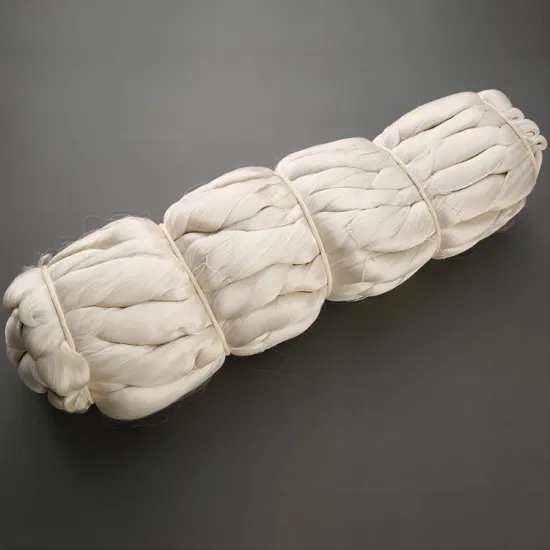
Every dupioni starts as raw silk. In Yizhou, Guangxi, mulberry cocoons are reeled into 20/22 denier filature silk, graded 4A to 6A under GB/T 1797-20081, and wound into hanks. This is the same raw silk we supply to weaving mills, and it is the base yarn a dupioni loom feeds on. The quality at this stage sets the ceiling for everything after it. The weights and grades cited here follow the same spec sheet we give buyers, so the numbers match what a mill will quote.
Related: raw silk yarn for weaving
Step 2: the double-cocoon weave that makes the slub
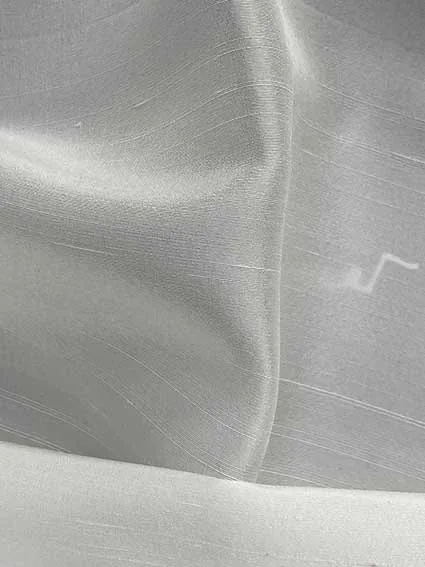
Dupioni is a plain-weave mulberry silk woven from paired-cocoon filaments. Because the two filaments refuse to separate cleanly, the yarn carries thick-and-thin slubs along its length. Woven plain, those slubs become the fabric's signature: a fine irregular rib that reflects light unevenly. The texture is part of the weave, which is why it reads as deliberate and why no two lengths look exactly the same.
Step 3: the weights, widths and shrinkage to specify
We supply dupioni greige straight off the loom, or dyed to order from a standard shade card or your custom color, so you get the exact shade you need. Momme is a silk weight unit; one momme equals about 3.75 grams per square meter. Slub is the irregular thick-and-thin texture woven into the cloth. Standard dupioni weights are 19, 23, 30 and 40 momme in 90, 114 and 140 cm widths. The 19 momme dupioni is the entry weight for gowns: light enough to move, heavy enough to hold a silhouette. Because the slub is part of the weave, allow about 5% shrinkage in the cutting block, the hand-wash shrinkage standard for dupioni2.
| Weight | Approx. gsm | Typical use |
|---|---|---|
| 19 momme | 82 gsm | Dresses, blouses, lining-adjacent gown work |
| 23 momme | 100 gsm | Structured evening gowns, bridal |
| 30 momme | 129 gsm | Tailored jackets, heavier couture |
| 40 momme | 172 gsm | Coat-weight pieces, structured suiting |
Dupioni weights and their typical uses
Related: dupioni silk greige
Step 4: the cloth on a body, in 2013
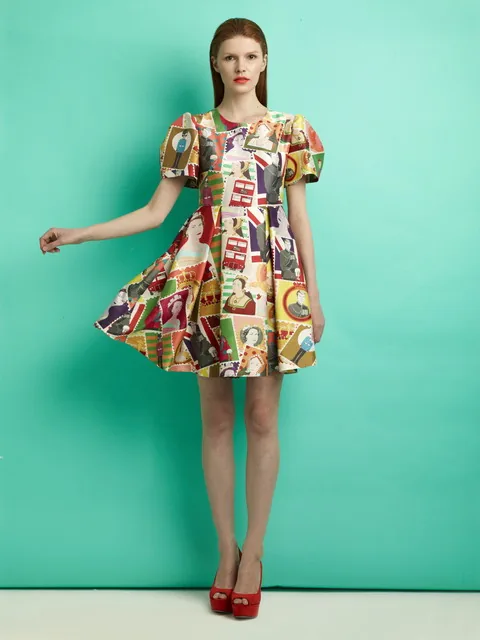
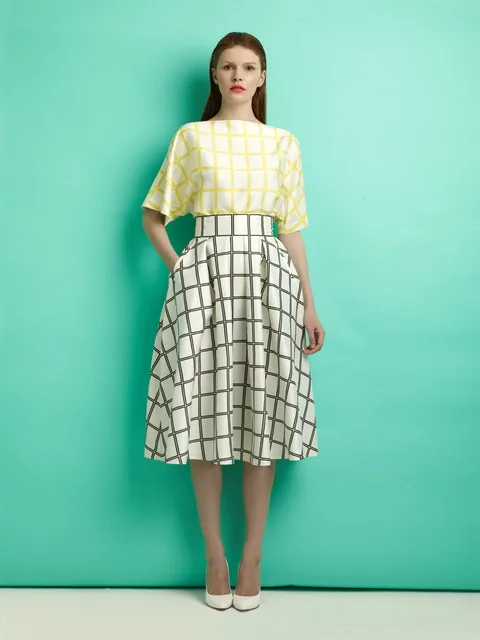
In 2013 the Christopher Bu atelier cut two dupioni pieces for the actress Fan Bingbing. The first was a stamp-printed umbrella skirt, photographed in Paris with the Eiffel Tower behind her3. The second was a spring/summer 2013 plaid ensemble, worn to the Skiptrace press conference in Cannes3. Look at how the print sits on the slub, and how the skirts hold their shape. For example, a 19 momme dupioni skirt holds its A-line instead of collapsing, because the slubbed weave resists the drape that flattens a crepe. Both garments appear again on the label's own lookbook models, which confirms them as Christopher Bu product cut from the same dupioni we supply as greige today.


Frequently asked questions
The questions buyers ask most often about dupioni, answered directly.
What makes dupioni different from other silk?
The slub. Two silkworms spin one cocoon and their filaments tangle, leaving thick-and-thin slubs in the yarn. Woven plain, those slubs give the cloth a visible, irregular texture that flat crepe cannot match.
What weights and widths do you supply dupioni in?
We supply dupioni in 19, 23, 30 and 40 momme, in 90, 114 and 140 cm widths — greige or dyed to order. The 19 momme weight is the standard for gowns.
Do I need to allow for shrinkage?
Yes. Allow about 5% shrinkage in the cutting block, because the slub is part of the weave. A cutter builds the allowance into the block before cutting.
What did Fan Bingbing wear in dupioni?
Two Christopher Bu pieces in 2013: a stamp-printed umbrella skirt photographed in Paris, and a spring/summer 2013 plaid ensemble worn to the Skiptrace press conference in Cannes.
Conclusion
Dupioni is the clearest example of how a silk's texture comes from its yarn, not its finish. Two silkworms, one cocoon, and the slubs that result are what give the cloth its structure and its play of light. For a buyer, the lesson is simple: specify the weight, the width, and the grade up front, and confirm the slub character on a swatch before you commit to meters.
Related: dupioni silk greige · request a swatch
Specifying your order
Specify the weight, the width, and the quantity you need. Order the swatch first — mini swatches are supplied free of material charge once availability is confirmed — and confirm the slub character and hand before you commit to meters. Full specs and MOQ are on the dupioni silk product page. Read about us for the company behind the supply, or contact the B2B team directly.
Related: request a swatch · check MOQ and trade terms · about us · contact the B2B team
Sources
Each bracketed number in the text points to the source below that backs it.
- [1]
国家标准化管理委员会 — GB/T 1797-2008 生丝 (Raw silk), issued 2008-08-06, effective 2009-06-01 (2008) open
The 20/22 denier designation and the 4A–6A grading scale used in Step 1.
- [2]
XINGYE TEXTILE — Dupioni Silk Fabric: Properties, Types & Wholesale Sourcing Guide (2024) open
The 5% shrinkage allowance quoted in Step 3: their spec table lists shrinkage after hand wash at ≤5%. Trade specification, not a third-party lab report.
- [3]
Sina Fashion (新浪时尚) — 不止LV “潮人”范冰冰最爱小众国货 (2013) open
The two 2013 looks in Step 4 and the two photographs used there: the stamp-print umbrella skirt photographed in Paris with the Eiffel Tower, and the spring/summer 2013 plaid ensemble at the Skiptrace press conference in Cannes. The article names both pieces as Christopher Bu; it does not name the fibre.
Methodology: momme, denier and shrinkage figures come from the spec sheet we quote to buyers. Each bracketed number above points to the matching source below, and each source is listed against the single claim it supports. No press article names the fibre of the 2013 dresses; the dupioni attribution rests on the brand's own production records.
Related: dupioni silk for gowns →
Request a fabric swatch